Act As if What You Do Makes a Difference
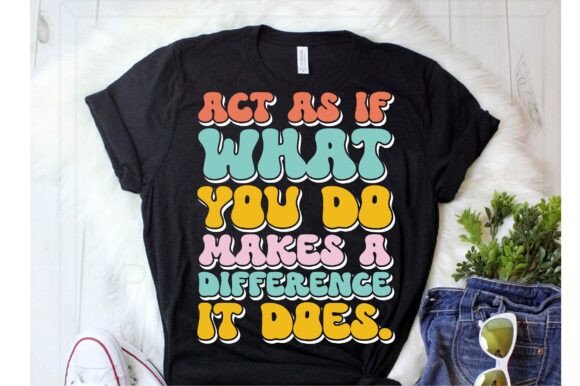
When I first opened the file for Act As if What You Do Makes a Difference, my immediate thought wasn't about the quote itself, but about how it would translate from a screen to a needle. In the world of machine embroidery design, there is a distinct difference between a graphic that looks good in a mockup and one that holds up under the tension of stitching. This piece falls into the T-Shirt Designs category as a Graphics asset, but its true potential lies in how it functions as a statement on a finished product.
The mood of this design is one of quiet empowerment. It isn't shouting; it is whispering with confidence. The layout feels balanced, suggesting a central placement on apparel or a centered motif on home goods. For an experienced designer, the first impression is crucial because it dictates the stabilizer choice and the thread density required. If the text is dense, it demands a sturdy backing. If it relies on delicate lines, it requires a light hand. This design seems to walk that fine line between bold typography and inspirational messaging, making it versatile for everything from a corporate giveaway to a boutique nursery item.
Real-World Application: From Screen to Stitch
Let's imagine a real scenario. I am preparing a custom embroidered tote bag for a local artisan market. The goal is to create a product that resonates with buyers who value meaningful craftsmanship over mass-produced items. I pull up Act As if What You Do Makes a Difference as the focal point. The phrase "It doe" (likely a typo for "does" in the source description) needs to be addressed immediately. A professional review must acknowledge that while the file claims 100 editable options, the user must verify the actual text content before running the machine.
Assuming the text is corrected, how does it look on canvas? Tote bags are forgiving, but they can warp if the stitch density is too high. This design works beautifully here because the message encourages the viewer to pause. On a dark fabric, using a metallic thread for the main phrase could elevate the perceived value of the handmade product. On a light cotton tote, a classic white or cream thread keeps it clean and timeless. The versatility of the file, which offers 100 color changes, is a massive plus for a craft business owner looking to create a cohesive collection without buying new files.
I also considered using this for a sweatshirt embroidery project. Sweatshirts often have a textured fleece surface that can swallow small details. If the lettering in Act As if What You Do Makes a Difference is too thin, it might disappear into the fabric nap. However, if the design utilizes a robust satin stitch for the outlines, it will pop against the soft texture. This is where the distinction between a simple print and a quality embroidery file becomes clear. The tactile nature of the stitches adds a layer of durability and luxury that a sublimation print simply cannot match.
Where Caution is Required
Not every surface is a friend to this design. While it shines on flat surfaces like aprons, pillow covers, and kitchen towels, curved surfaces like caps require careful testing. The curvature of a hat brim can distort text, especially if the font has sharp angles or tight kerning. If you plan to use this for an embroidered patch intended for a cap, you must ensure the digitization accounts for the curve so the letters don't look stretched or squashed.
Small hoop sizes present another challenge. If the design includes intricate details or very small lettering, shrinking it down to fit a 4x4 inch hoop might result in a muddy mess. The threads may merge, losing the definition of the words. In such cases, it is better to focus on the core message and perhaps simplify the surrounding elements. Additionally, stretchy fabrics like jersey knits need a heavy-duty stabilizer to prevent puckering. Without the right support, even a well-designed machine embroidery design can end up looking warped and unprofessional.
Textured fabrics, such as chenille or heavy boucle, can also hide the design. The stitches might not penetrate the pile effectively, leading to loose threads or uneven coverage. For these materials, a smoother backing or a different type of applique design might be more appropriate. Always test on scrap fabric first. This step is non-negotiable for any serious commercial embroidery project.
Visual Appeal and Customer Trust
The success of a handmade product often hinges on the details. When a customer receives a personalized gift featuring Act As if What You Do Makes a Difference, the quality of the stitching speaks volumes about the brand. A clean finish with no loose threads builds trust. It suggests that the maker cares about the outcome, not just the sale. This design has the potential to become a signature piece for a small shop, reinforcing a brand identity built on inspiration and quality.
For an Etsy seller or a digital product seller, the visual presentation matters. When creating printable mockups to showcase the design, ensure the lighting highlights the texture of the thread. A flat image doesn't convey the depth of a satin stitch or the sheen of a fill stitch. By demonstrating how the design interacts with light and shadow, you help the buyer visualize the final product. This transparency increases buyer engagement and reduces the likelihood of returns due to mismatched expectations.
The design also fits well within the context of holiday gifts. Whether it is for a teacher appreciation gift, a mentor, or a team member, the message resonates deeply during the festive season. Placing it on a baby item, such as a onesie or a blanket, adds a sentimental touch that parents cherish. The emotional connection drives the perceived value of the item, allowing you to price your services competitively while maintaining profitability.
Practical Notes for the Designer
Before committing to a full production run, there are several technical checks you must perform. First, check the thread color contrast. A design that looks perfect in black and white might lose impact on a navy blue background. Use proper stabilizer to ensure the fabric remains taut throughout the stitching process. Review the stitch density; if the design is too dense, it can cause the fabric to pucker or the needle to break.
Confirm whether the design works for both personal and commercial projects. Many digital assets come with specific licensing terms that restrict resale. Since the product description mentions "100 editable file," ensure you have the rights to sell finished items created with this design. If you are unsure, reach out to the creator or check the license agreement carefully.
Inspect small details closely. Sometimes, what looks like a solid block of color in a preview might be composed of tiny, disconnected stitches that could snag or fray. Test it in black and white mockups to see if the hierarchy of the text is clear. Compare light and dark fabric backgrounds to determine the best thread palette. Finally, confirm the hoop size requirements to avoid wasting time on a setup that won't fit your machine.
In conclusion, Act As if What You Do Makes a Difference is more than just a graphic; it is a tool for storytelling through thread. With the right preparation and attention to detail, it can elevate a simple t-shirt design into a cherished heirloom. Whether you are decorating a custom apron, creating a boutique product, or building a brand presence, this design offers a strong foundation for your next creative endeavor. Just remember: the magic happens in the execution, not just the file.